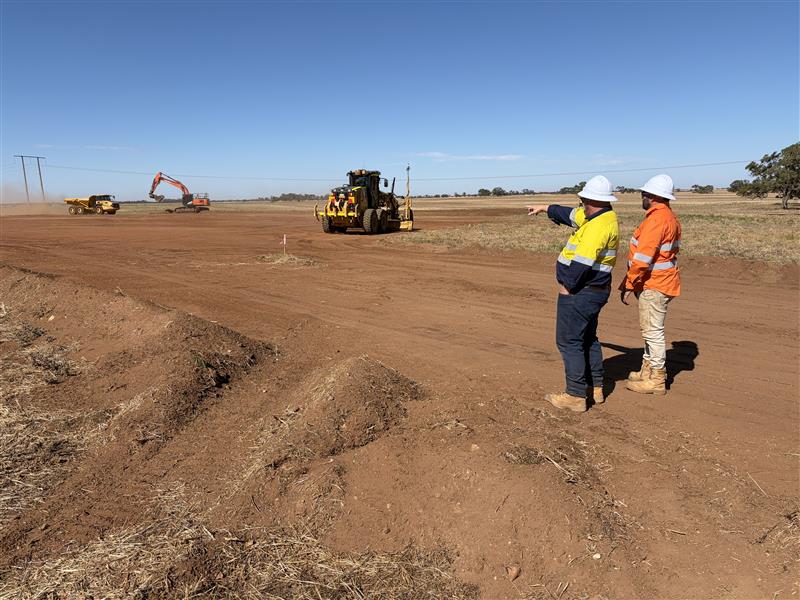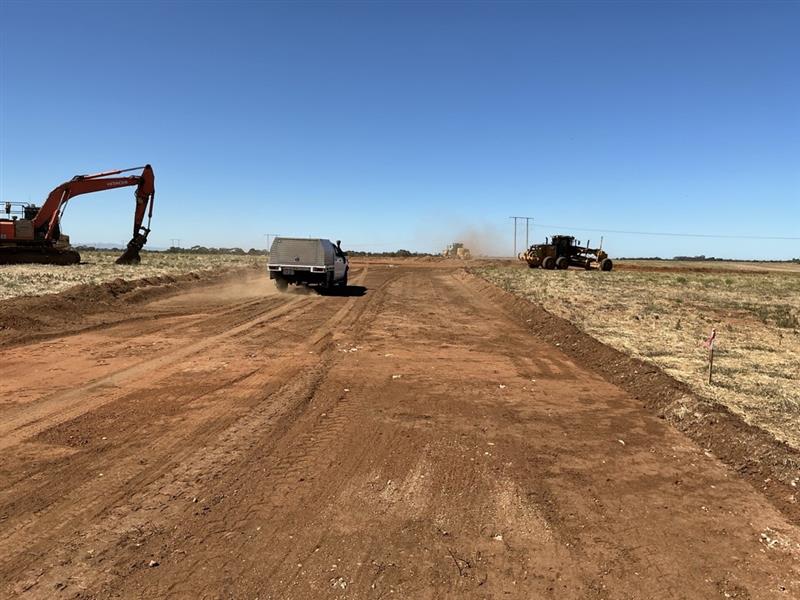
The first stage of the Reeves Plains Battery Project has started construction and will deliver a 250 MW battery to help store renewable energy and keep the grid reliable. Stage 2 will add another 250 MW of storage, doubling the site’s capacity to 500 MW. We’re still in the feasibility phase for Stage 2.
How will the battery work?
A battery stores electricity so it can be used later. When there’s more energy being produced than people need – like on a sunny or windy day – the battery charges up by storing that extra power. Then, when demand goes up or renewable sources aren’t producing (like at night or during calm weather), the battery sends that stored energy back into the grid, which helps to keep the lights on and the grid running smoothly.
Why is battery storage critical in South Australia?
South Australia is leading the way in renewable energy, with more than 70% of its electricity now coming from wind and solar. But because these sources depend on the weather, they don’t always produce power when it’s needed most. That’s where battery storage comes in.
The battery will store excess energy when the sun is shining, or the wind is blowing — and release it back into the grid when demand is high or supply is low. This helps keep the power system stable, reliable, and more affordable for everyone.
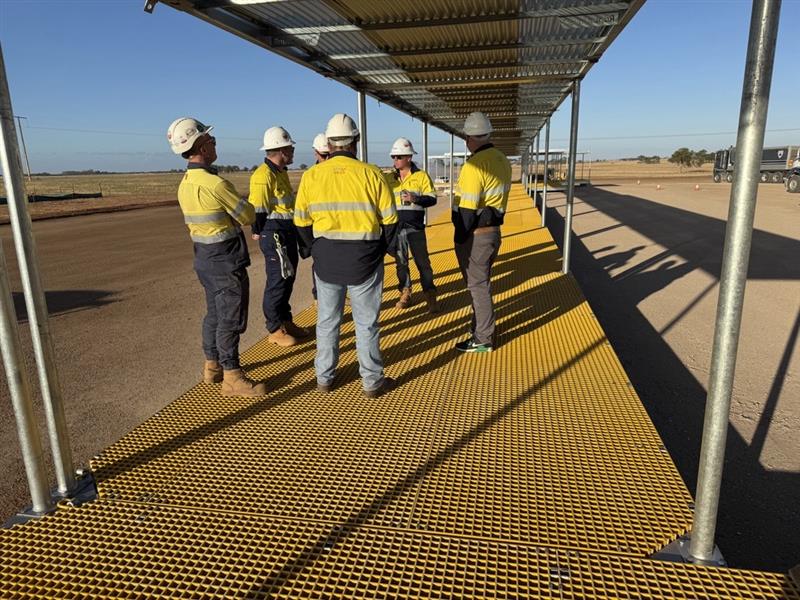
The project will deliver long-term benefits for both South Australia’s energy system and the local community.
Local jobs and skills development
Construction of the hub will create jobs and opportunities for businesses to get involved. We are committed to maximising local content on the project by using local service providers and allocating roles for apprentices and learner workers during construction and operations.
Supporting CFS emergency response
We are working with the Country Fire Service (CFS) to develop a detailed Emergency Response Plan. The battery site is also required to have water tanks which we have located at the site entrance to allow the CFS easy access and use in the event of any nearby fires in the surrounding landscape.
Benefit sharing
The project will have its own benefit-sharing fund and program to contribute towards local initiatives such as:
The site was chosen for its location near existing energy infrastructure. It sits close to transmission lines, making grid connection efficient. The area also offers suitable land for development and aligns with South Australia’s energy security goals, ensuring reliable supply as the state transitions to renewables.
Acknowledgement of Country
Reeves Plains Energy Hub acknowledges the Kaurna people of the land on which we propose this project. We acknowledge their continuing connections to Country and community. We pay our respect to their Elders past and present and extend that respect to all Aboriginal and Torres Strait Islander people.